


Pregnancy Skin Care: Nourishing Changing Skin
Pregnancy is full of changes — some magical, some surprising, and some that show up right on your skin.
As your body stretches and grows, your skin works overtime. Tightness, dryness, itchiness, and sensitivity are all common during pregnancy. And while stretch marks are a completely natural part of many pregnancies, keeping skin well-moisturized can help it stay supple and comfortable as it expands.
Let’s talk about what actually helps — and how to care for your skin gently during this incredible season.
Why Deep Hydration Matters During Pregnancy
When skin stretches quickly, it can feel tight and dry. Hydration won’t prevent stretch marks entirely (a lot of that comes down to genetics and skin type), but nourishing the skin barrier can:
Support elasticity
Improve overall skin comfort
Reduce the appearance of dryness
Help skin feel smoother and more resilient
The key? Rich, concentrated plant butters and oils.
What to Look for in a Pregnancy Body Butter
Our body butters are made with deeply nourishing ingredients like:
Shea Butter – Rich in fatty acids that support the skin barrier
Kokum Butter – Known for helping maintain elasticity
Cocoa Butter – Traditionally used for conditioning stretching skin
Avocado Oil – Packed with vitamins and essential fatty acids
Sunflower & Rice Bran Oils – Lightweight but deeply moisturizing
These ingredients help keep skin supple as it stretches — especially on the belly, hips, thighs, and chest.
Many moms-to-be apply body butter once or twice daily, particularly after showering while skin is still slightly damp.
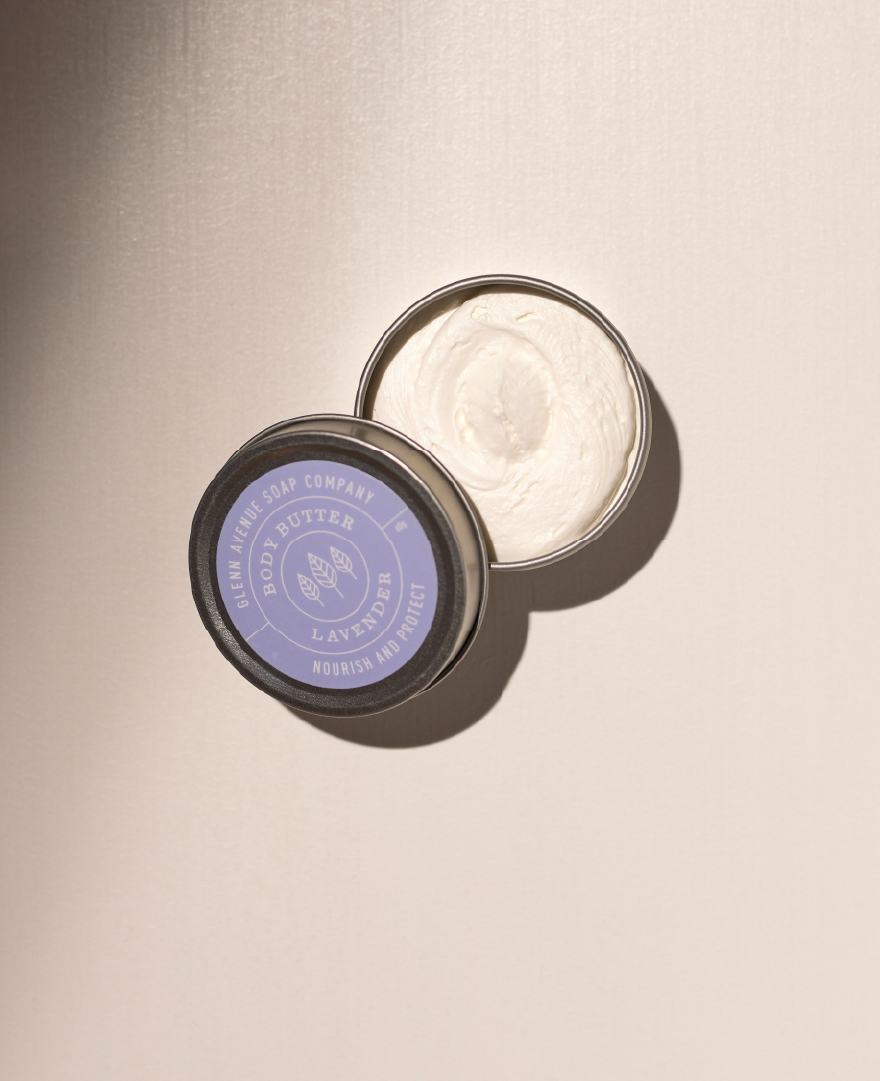
Lavender Body Butter
Calm your senses and nourish your skin at the same time with this classic, sweet Lavender Essential Oil scent.
SHOP NOW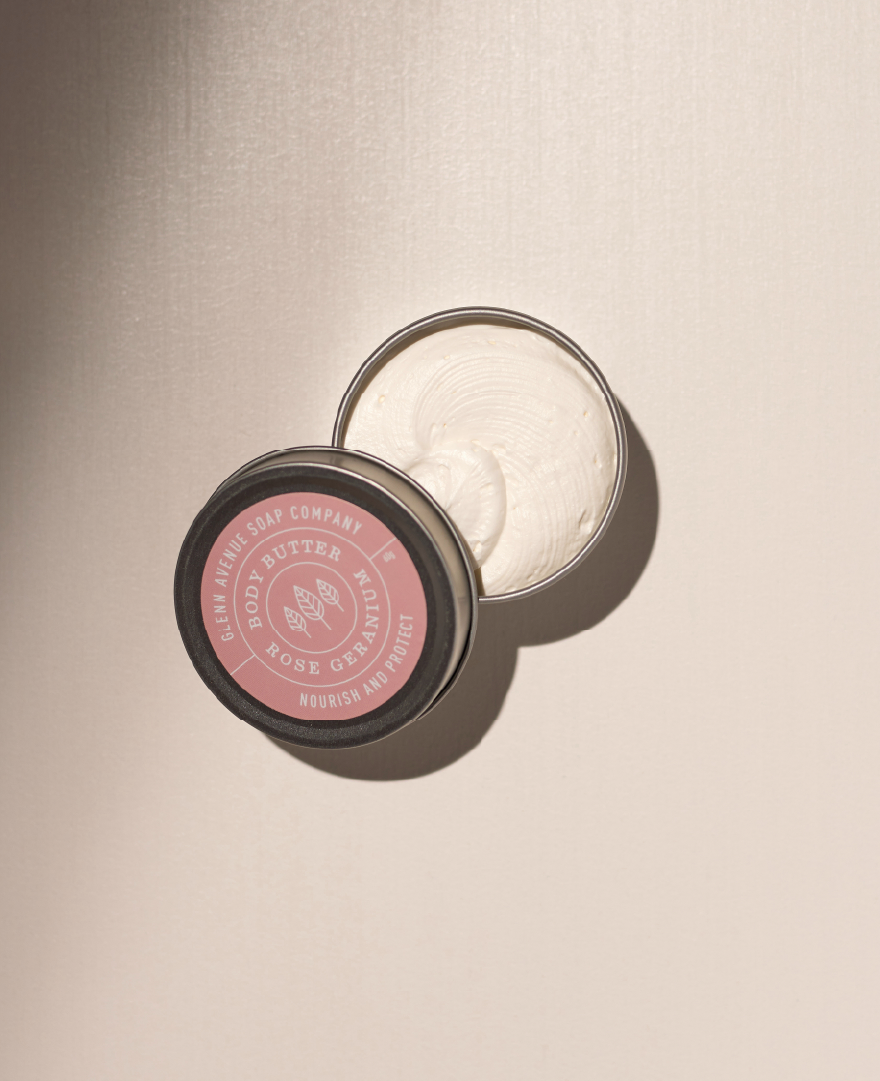
Rose Geranium Body Butter
Elevate your mood, fight inflammation and hydrate your skin with this mix of Rose and Egyptian Geranium & Cedarwood Essential Oils.
SHOP NOW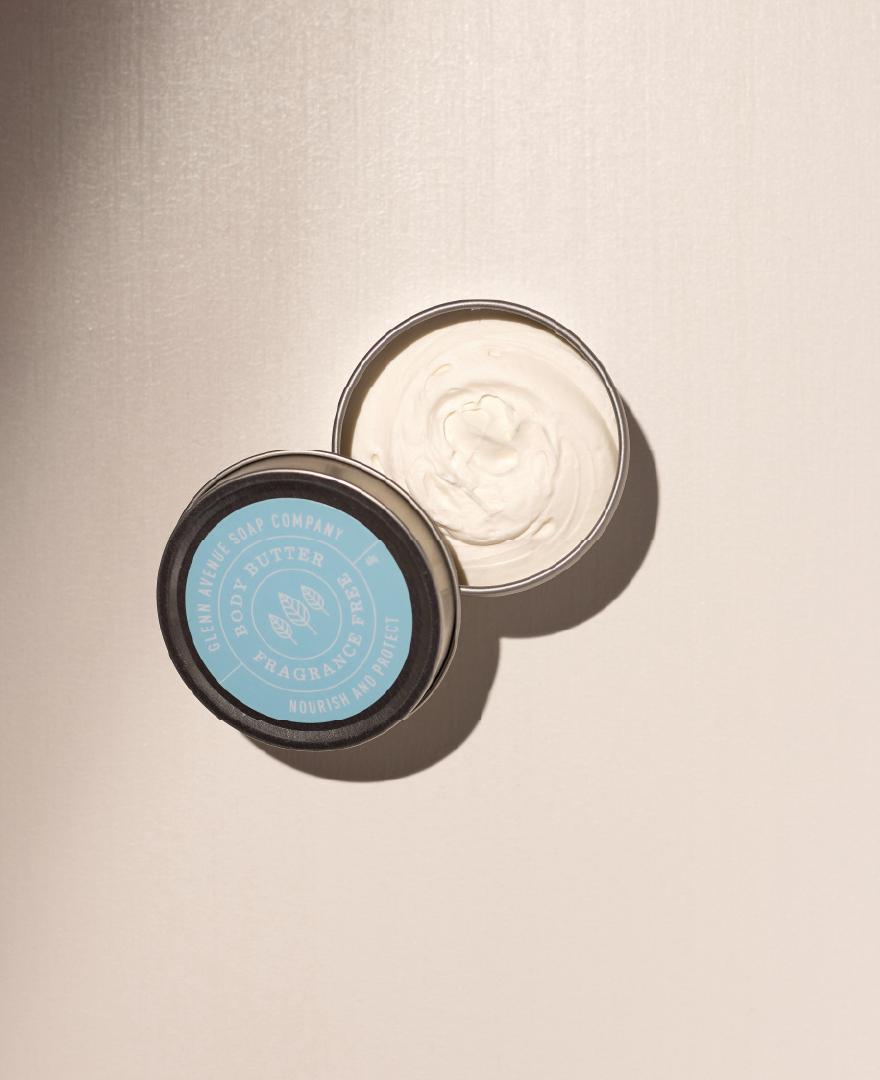
We generally recommend avoiding our Healing Blend Body Butter during pregnancy due to the inclusion of carrot seed essential oil.
Don’t Forget Your Lips
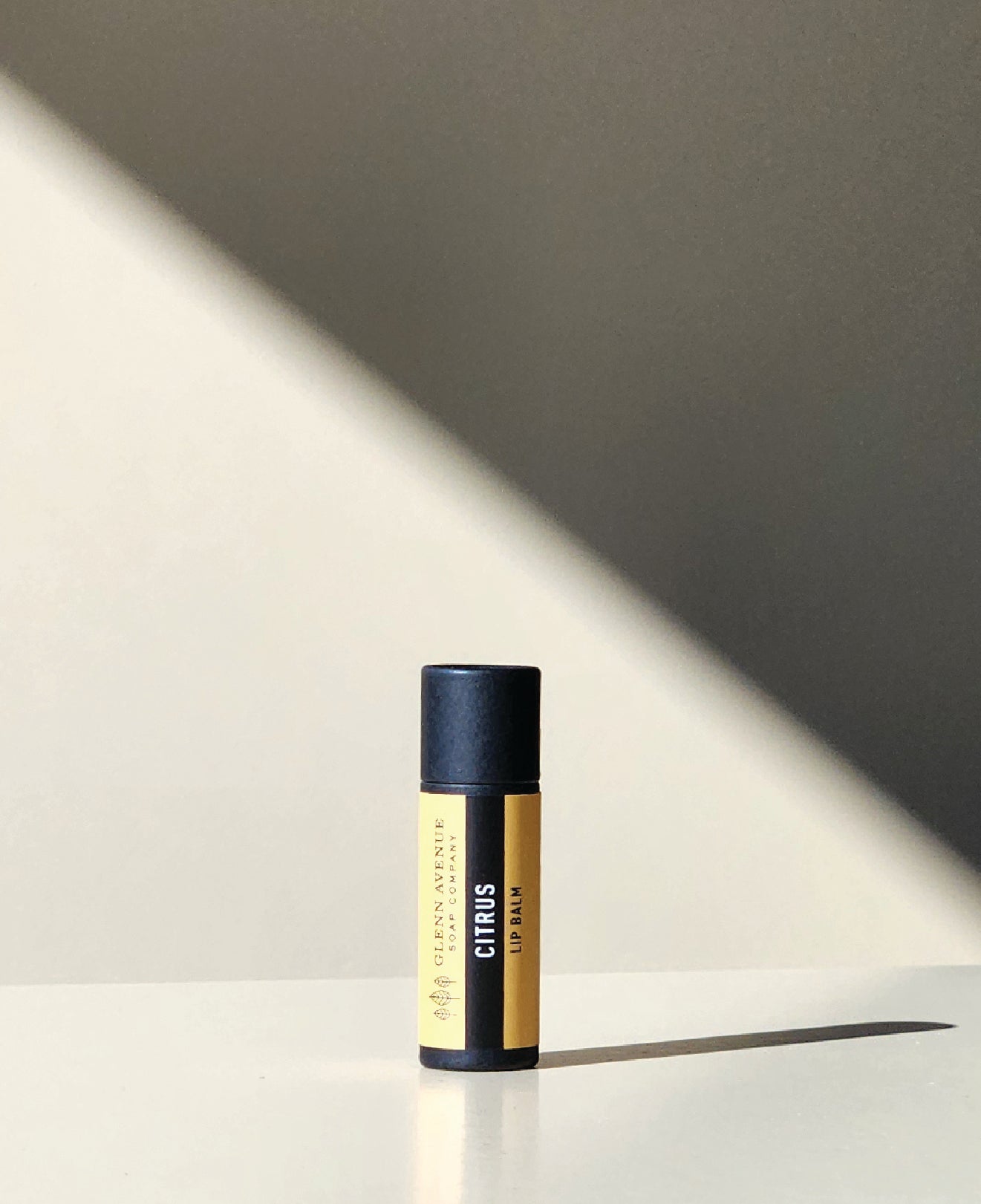
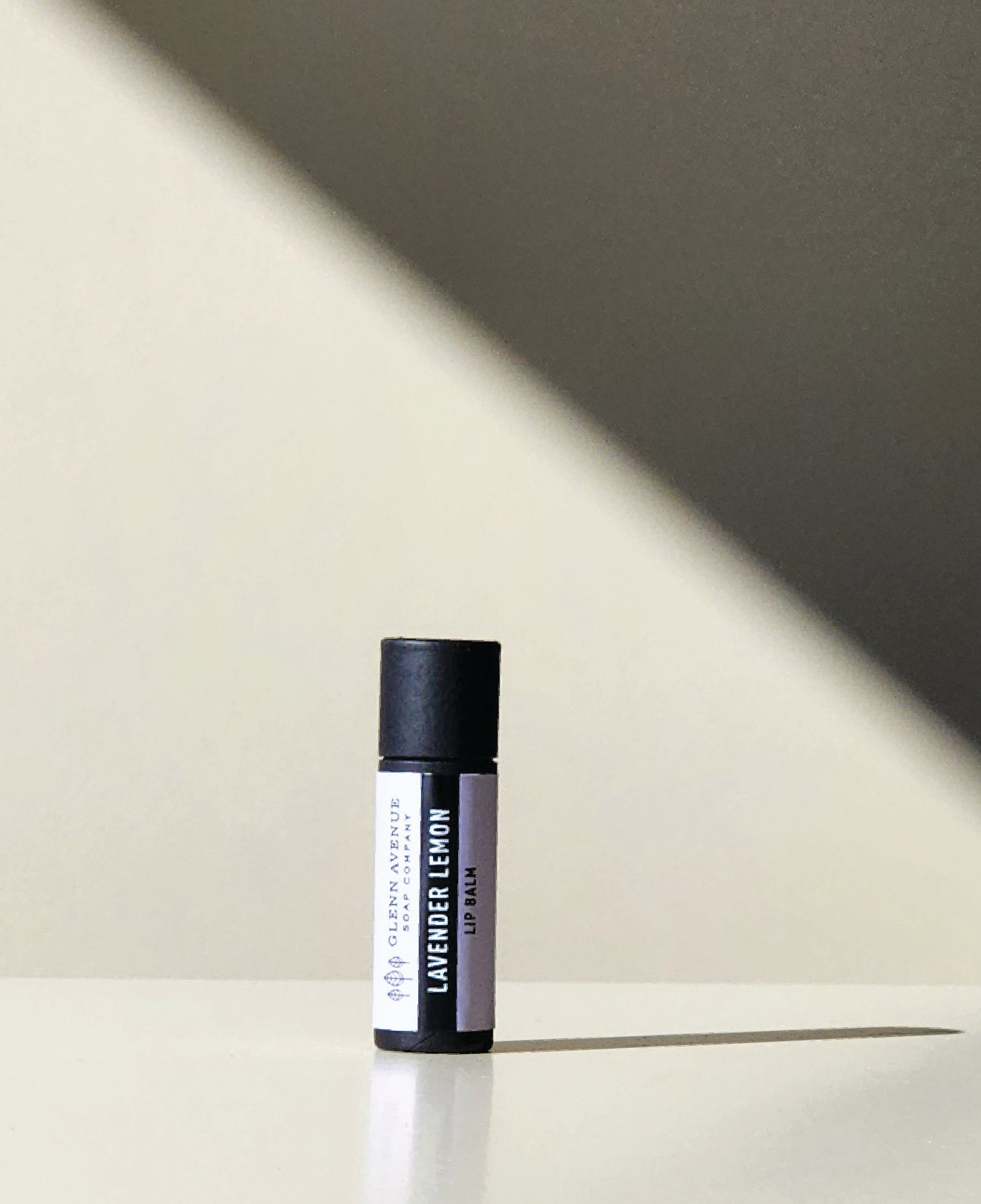
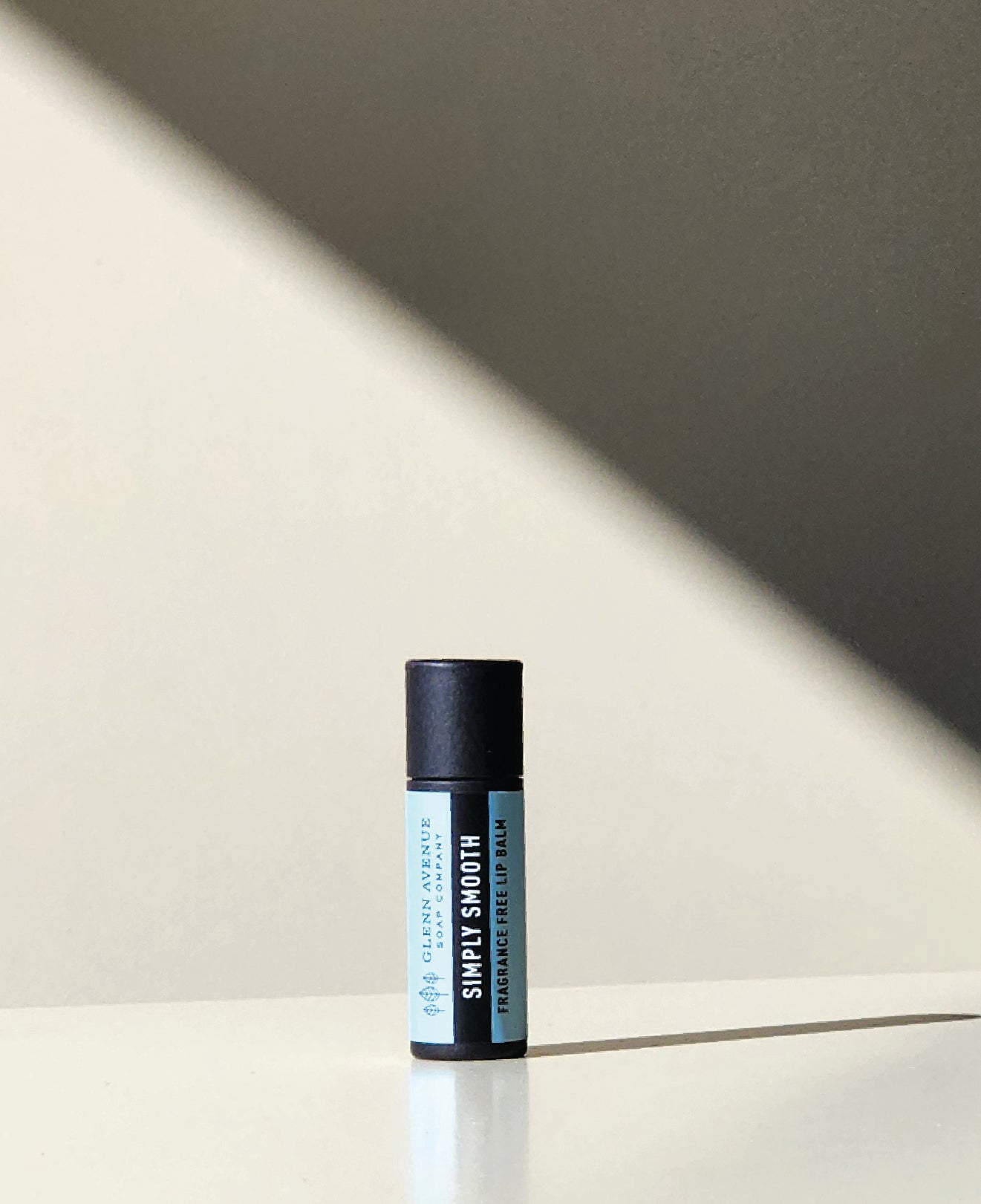
Hormonal shifts can also lead to dry, chapped lips. A simple, nourishing lip balm made with plant oils and natural waxes can provide everyday comfort without unnecessary additives.
Small detail. Big comfort.
Essential Oils & Pregnancy: A Thoughtful, Balanced Approach
When it comes to essential oils during pregnancy, guidance can vary.
Some herbalists and aromatherapists believe that certain essential oils should be avoided and others restricted. Others recommend avoiding essential oils altogether, particularly during the critical first trimester.
If you are at all uncertain about the safety of an essential oil–containing product — or any ingredient — we strongly encourage you to consult your doctor, midwife, or other qualified health care professional before use.
We formulate our products using safety guidelines outlined in Essential Oil Safety: A Guide for Health Care Professionals (Second Edition) by Robert Tisserand and Rodney Young.
According to Tisserand, the following essential oils should be avoided throughout pregnancy and lactation:
Anise, Star Anise, Araucaria, Artemisia vestita, Sweet Birch, Black Seed, Buchu, Lesser Calamint, Carrot Seed*, Cassia, Chaste Tree, Cinnamon Bark (note: we use Cinnamon Leaf, not bark), Costus, Blue Cypress, Indian Dill Seed, Bitter Fennel, Sweet Fennel, Feverfew, Genipi, Hibawood, Ho Leaf, Hyssop, Lanyana, Spanish Lavender (note: we use Bulgarian Lavender or 40/42 Lavender sourced from the USA), Mugwort, Myrrh, Myrtle, Oregano, Parsley Leaf, Parsley Seed, Pennyroyal, Rue, Dalmatian Sage, Spanish Sage, Savin, Tansy, Thuja, Western Red Cedar, Wintergreen, Wormwood, Yarrow, and Zedoary.
Additional sources suggest also avoiding:
Basil, Clary Sage, Clove, Hops, Nutmeg, Juniper Berry, Rosemary, and Peppermint.
* For this reason, we generally recommend avoiding our Healing Blend Body Butter during pregnancy due to the inclusion of carrot seed essential oil.
According to Tisserand, the following Essential Oils should be restricted throughout pregnancy and lactation (We include the maximum dermal dose recommendation after each essential oil):
Basil (lemon) 1.4%, Boswellia papyrifera 1.7%, Champaca (orange) absolute 17.5%, Lemon balm (Australian) 3.4%, Lemon leaf 1.2%, Lemongrass 0.7%, Litsea cubeba 0.8%, Melissa 0.9%, Myrtle (honey) 0.9%, Myrtle (lemon) 0.7%, Nasturium absolute 0.26%, Tea Tree (lemon-scented) 0.8%, Thyme (lemon) 3.7%, Verbena (lemon) 0.9%
The information shared here is for general education and should not be considered medical advice. If you have any concerns about specific ingredients or product use during pregnancy, we encourage you to consult your healthcare provider.